Western Migration to the Plain
A Devotional Series from Genesis

Online Bible Audio/Readings Links (ESV)
8/5 Reading Portions: Judges 19; Acts 23; Jeremiah 33; Psalms 3-4
Genesis 11:1-2
Now the whole earth had one language and the same words. And as people migrated from the east, they found a plain in the land of Shinar and settled there.
SHINAR
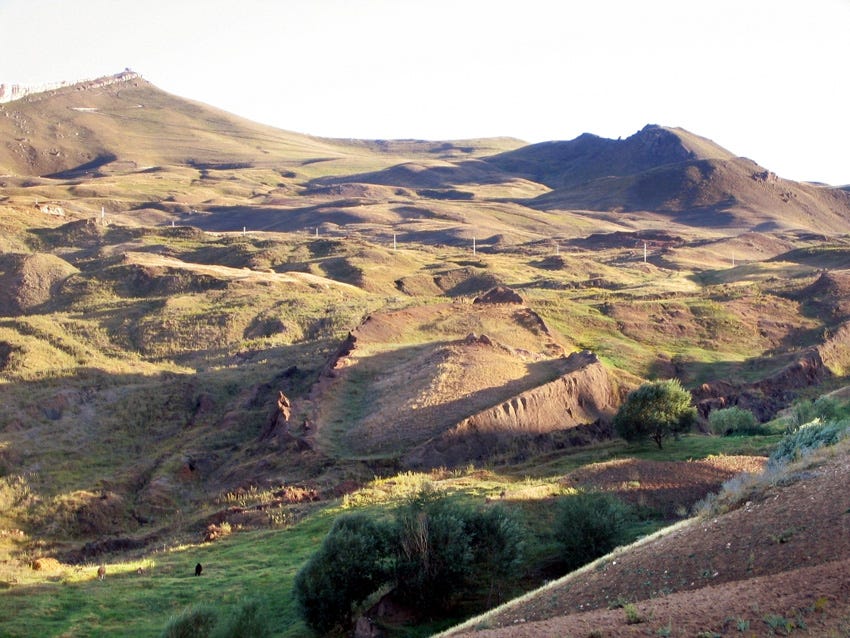
The first thing we remind ourselves of is that the information given here is a recapitulation. We are given details of why the earth was divided by the confounding of people’s languages (Gen 10:31), occurring in the days of Eber, the father of Peleg (Gen 10:25). After Noah, his wife, his sons, and his son’s wives came forth from the ark, they may have settled for a while somewhere in the east. I suggest one possible place was what is known today as China; and the reason for this is that China is one of the largest grape producers in the world, with hundreds of thousands of acres of vineyards. Remember, Noah planted a vineyard (Gen 9:20-21). Once the families grew and multiplied, they travelled westward and migrated from the east. This tells us that the location known as the “Durupinar Site” on Mount Tendürek in Eastern Turkey could not be Noah’s ark. Since the people migrated from the east and ended up on a plain in the land of Shinar, they would have only needed to travel southeast from the northwest to get to the location that is known today as Iraq. Shinar means “two rivers” in Hebrew, and we know from archeology where Babel is (biblically, Babel and Babylon are approximately the same place), between the Tigris and Euphrates Rivers.
Why did they move? Was there a famine where the ark had rested. This seems the most likely possibility as famines moved God’s people around in the Bible, especially in Genesis. They stopped where they found a lush plain with thriving vegetation. This was part of the “fertile crescent,” whereas years later, the Hanging Gardens of Babylon would become one of the seven wonders of the ancient world. There was also plenty of game in the land of Shinar, whereas Nimrod would rise to prominence, with possible whispers of “Messiah,” because he provided the people with meat to eat (Gen 10:9a). But Nimrod was antichrist, defying God to His face in private (Gen 10:9b), but speaking to his kinfolk with flattering words of praise and encouragement (Psa 55:21; Pro 29:5). It is often during our most prosperous times that our spiritual guard is down. Noah and his sons were still around. The people had heard the testimony of God’s judgment from them. They had also heard the gospel promise of a Messiah to come. They may have experienced famine and the hardship of the journey from the east to the plain in the land of Shinar. Now that happy days had eased their burdens, the people were ripe for a vile harvest.
We must ever be on our guard against anything that would draw our attention, loyalty, and love away from the Christ revealed in Scripture.